KNX and home automation
A system that emails you when something’s wrong

DRAFT — to be approved.
In many homes the most important equipment works on its own. The heat pump has its own panel, the ventilation unit has another, the energy meters have none at all. If one of them stops, you find out when the house gets cold — or when the bill arrives.
In some flats we worked on in 2025 and 2026, we changed that with a supervision system.
What we did
The electrics were already on KNX: lighting, blinds and thermostats all spoke the same language. The equipment didn’t.
We installed a LogicMachine controller, which speaks two languages: KNX and Modbus, the standard many pieces of plant use to communicate. Over Modbus we connected:
- the heat pump, to read temperatures, status and alarms;
- the mechanical ventilation unit, for fan speed and filters;
- the energy meters, to see how much the home uses.
From then on everything appears on one screen, and the KNX system can send commands to the equipment too.
The part that really matters: alerts
Seeing the data is useful. Getting an alert is better.
We set thresholds: if a temperature drifts out of range or a unit faults, an automatic email goes out. A watchdog checks that the supervision system itself is running, so silence is never mistaken for “all fine”.
For one of these installations we also wrote two manuals: a user guide for the people who live there, and an installation manual for whoever works on it after us.
What we took away
- Equipment talks, if you connect it. Plenty of units already have a Modbus port nobody uses.
- Less is more. A few clear alerts are worth more than a hundred charts.
- Documentation is part of the job. A well-explained system is easier to maintain, by anyone.
When programming the scripts we also used artificial intelligence as an aid; we then checked every line on the system itself.
Want to know more? See supervision and BMS.
More articles
Plumbing
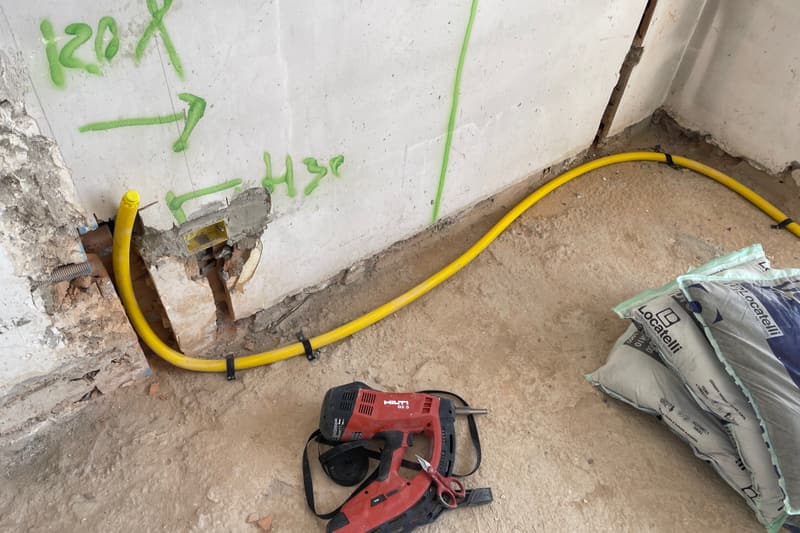
Gas under the floor, with a pipe that bends
A gas installation in a Milan flat using flexible stainless-steel pipe (CSST) laid in the screed. Why we chose it, and what the manufacturer wrote about it.

Collaborations
An Unforgettable Journey with Rothenberger: Innovation, Art, and Solidarity
On October 24th, I had the honor of participating in the “Influencer Days” organized by Rothenberger, a leading company in the field of tools for plumbing and heating…
Collaborations
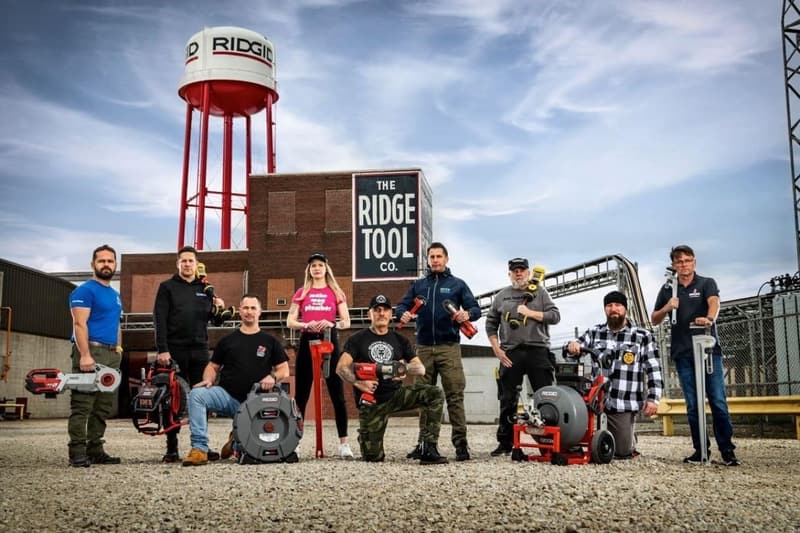
Interview with “ireneale05” – Alessandro: The First Italian at Ridgid’s Influencer Event
Discover our interview with Alessandro, known as “ireneale05” on Instagram and a professional at Fintek, the first Italian to participate in Ridgid‘s…


What happens when you get in touch
I’m Daniele Lantieri, managing partner and technical lead at LantierImpianti. Here’s what happens after you call or send a message.
I speak fluent English. From the first call to the end of the job, we handle everything in English: site visit, quote, works, and explaining every document you receive.
You’ll speak to me
I answer the phone myself. If I’m on site, I’ll call you back as soon as I can: before the evening or the next morning.
Tell me what’s going on, in your own words
You don’t need the technical terms — that’s our job. Just tell me what you can see or what isn’t working. A photo helps if you have one.
I tell you what I’d do
For a small job, we agree a day. For bigger work, I come and take a look and then send you a written quote. The site visit for a quote is free.
You decide, in your own time
Calling or writing commits you to nothing. Take the time you need, and feel free to get other opinions.